Learn to Surf Essaouira: A Calm, Practical Beginner's Guide for 2026
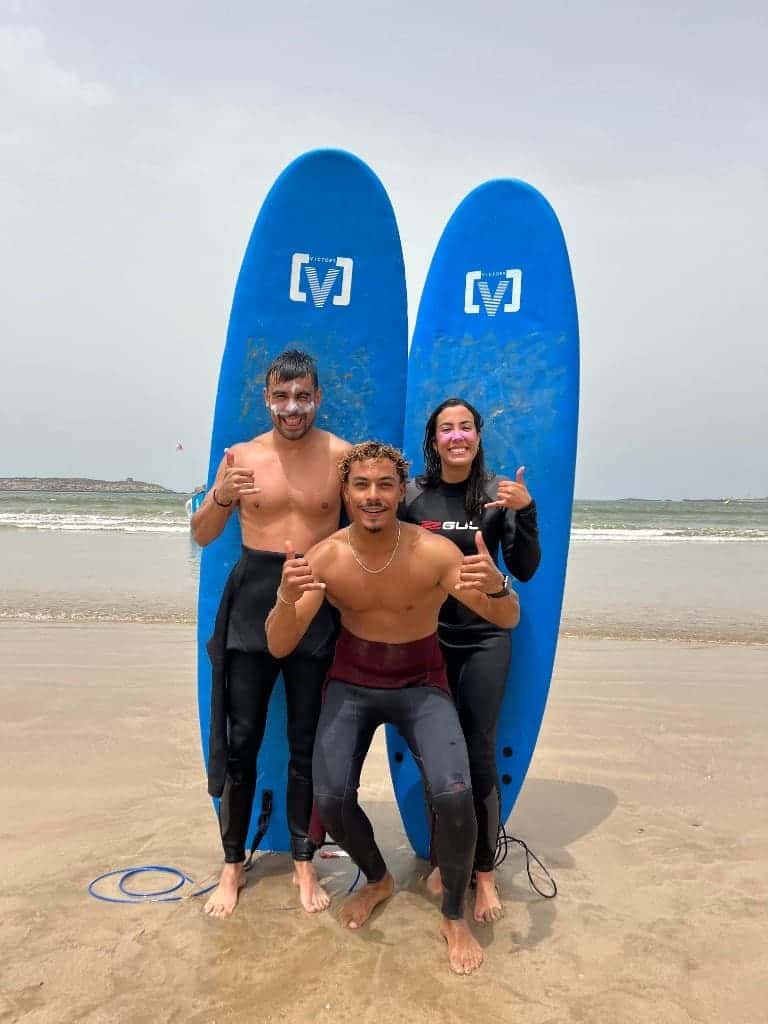
If you have never stood on a board, Essaouira is one of the friendlier places in Morocco to take your first steps in the water. The Atlantic is still powerful, but the bay often feels more forgiving than exposed beach breaks elsewhere, with space to practice without feeling rushed by a crowded peak. This guide is written for people who want straight answers: what to expect, how to prepare, and how to make the most of a first lesson without turning the day into a stress test.
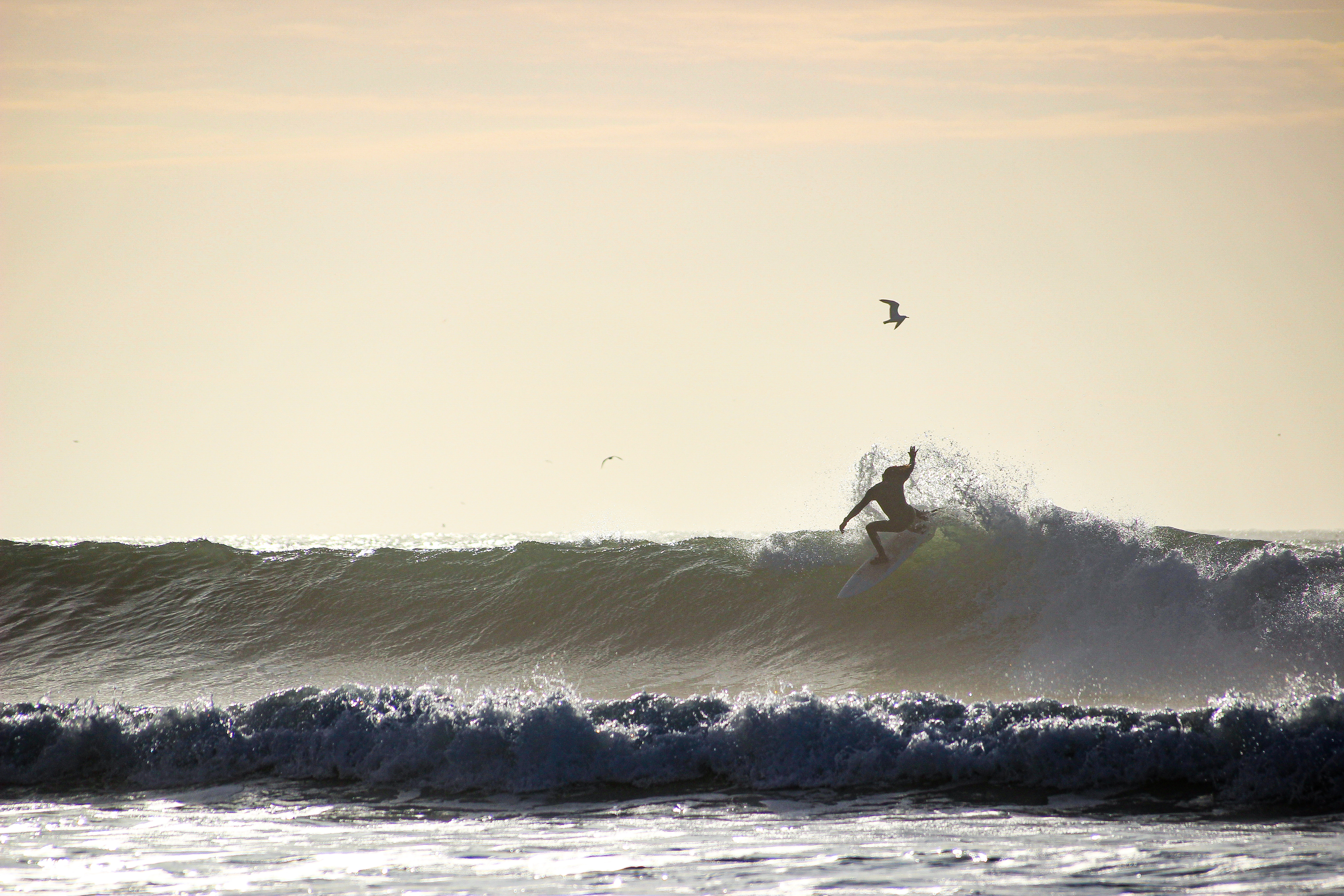
Surfing rewards patience more than bravery. Your first session is not about catching the biggest wave on the beach. It is about learning how the ocean moves, how your board behaves, and how small adjustments in your body create stability. When those pieces click, even a modest ride to shore feels like a win, and that feeling is what keeps beginners coming back.
Why beginners like learning here
Essaouira's reputation is built on wind and waves, but beginners benefit from something quieter: room to breathe. You can often find workable corners along the beach where instructors can set drills close to shore, then gradually move you into slightly deeper water as your confidence grows. Morning sessions are popular for a reason: the air tends to feel steadier, the light is gentle on the eyes, and the rhythm of the day has not yet picked up speed along the promenade.
That does not mean afternoons are impossible. Seasons shift the feel of the water and the crowd, and conditions can change quickly. A good school will explain the plan for the day in plain language, not surf jargon, and will adjust the lesson if the tide or swell asks for a different approach.
Fitting surf into your Essaouira trip
Many travellers pair a lesson with a wander through the medina or lunch by the port. That is not a distraction: resting your eyes and legs often helps the next session. If you stay several days, surf in the morning and explore in the afternoon; you keep motivation high without overloading your body. Local coaches also know the windows when the bay stays readable for beginners even when the swell bumps up a notch.
What a first lesson usually covers
Most beginner lessons follow a simple arc: safety on the sand, then safety in the water, then repetition. On the sand, you will learn how to carry the board without tweaking your shoulder, where to lie on it, and how to turn the nose where you want it to go. In the water, you will practice paddling with purpose, popping up in stages, and falling in a way that protects you and others.
- Ocean awareness: currents, shallow areas, and how to stay visible to other surfers.
- Board control: trimming your line, slowing down, and stopping without panic.
- Technique in small steps: knees first if needed, then a clean pop-up when your timing improves.
- Coach feedback: short corrections that are easy to remember between attempts.
If you are traveling with family, ask how the school groups participants. Some families prefer mixed lessons for the shared memory, while others want age-appropriate pacing. Either way, the goal is the same: everyone finishes tired, smiling, and safer than when they arrived.
Gear you will actually use
Wetsuits matter more than beginners expect, even when the air feels warm. Wind cools your skin quickly when you are wet, and repeated duck-dives or wipeouts can drain your energy if you are shivering between sets. A proper fit should feel snug without cutting circulation, and the thickness should match the season you are visiting. If you are unsure, tell the school your typical cold tolerance and how much time you spend in the water on holiday; they can steer you toward the right layer.
Soft-top boards are common for first sessions because they forgive mistakes. They are wider, more stable, and less sharp along the rails. That stability buys you time to practice the pop-up and to feel how speed changes your balance. As you improve, coaches may introduce slightly narrower boards, but the jump should feel gradual, not like a sudden test.
How to read your own fitness honestly
Surfing uses your shoulders, core, and hips in ways that gym workouts rarely mimic. You do not need to be an athlete, but you should respect fatigue. If your arms feel heavy halfway through the session, say so. A good instructor will switch drills rather than push you into deeper water when your paddling form is falling apart. Progress in surfing is measured in clean repetitions, not in how exhausted you are at the end.
Hydration and sleep matter more than people admit. Essaouira can feel breezy enough that you forget you are sweating under a wetsuit. Sip water before you arrive, eat something sensible, and avoid the temptation to treat the lesson like a sprint. You will get more attempts, and more attempts mean faster learning.
Etiquette that keeps everyone safer
Beginners are not expected to know every rule on day one, but a few habits help immediately. Do not ditch your board behind you when a wave breaks unless your coach tells you to practice a specific drill. Look up often, not only at your feet. Give other surfers space, especially near the peak. If you are unsure who has priority, slow down and ask your coach; it is better to feel slightly behind for thirty seconds than to create a collision.
Some schools reference international training standards such as IKO-style progression ideas for teaching structure. Even if labels vary, what you want is clarity: a lesson plan, a safety briefing, and coaches who can explain why a skill matters before asking you to repeat it ten times.
Booking and timing tips that save hassle
If you can, book your first session early in your trip. That gives you a buffer day if the ocean shifts and the school proposes a reschedule. It also gives you time for a second lesson while your muscle memory is still fresh. Ask what is included in the price: equipment, insurance details if applicable, changing facilities, and whether photos are part of the package or an add-on.
- Ask about group size: smaller groups usually mean more feedback per wave.
- Confirm meeting point: beaches can have multiple access paths, and wind makes landmarks harder to hear.
- Mention medical notes: shoulders, backs, ears, or recent injuries should be shared before you enter the water.
Mindset: what success looks like on day one
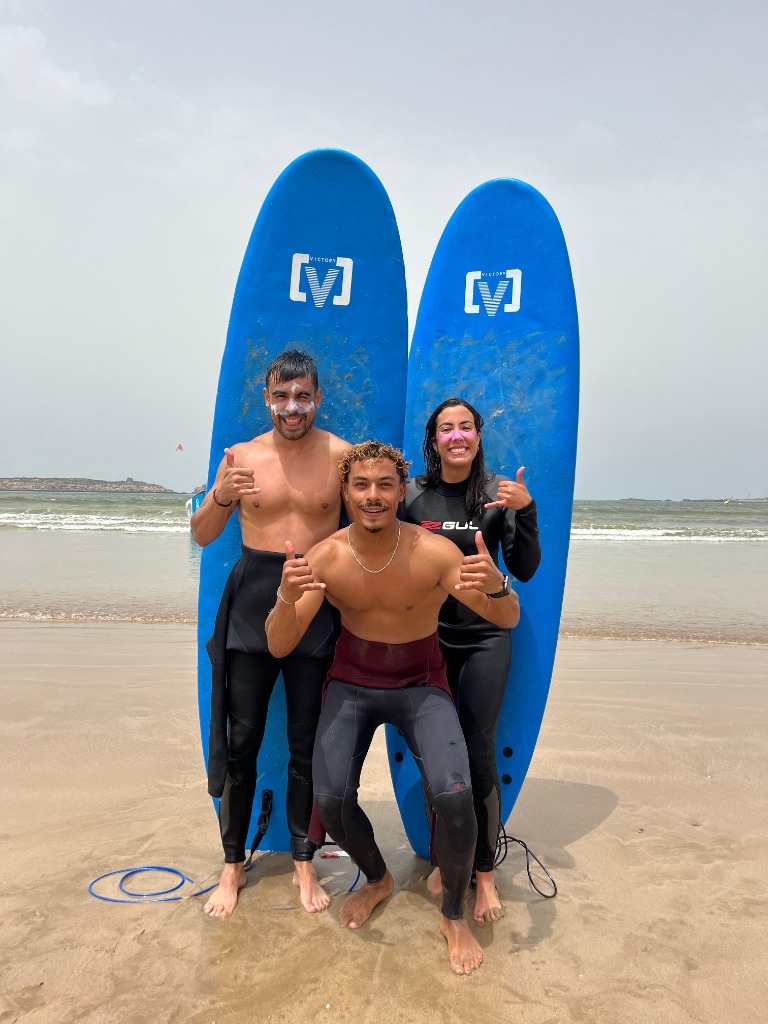
Success is not only standing up. Success can be a controlled glide on your belly, a clean dismount, a paddle-out without losing your leash, or simply feeling calmer after the first ten minutes. Surfing teaches you to cooperate with the ocean instead of fighting it, and that cooperation starts with small, unglamorous wins.
When you leave the bay after your first session, you might feel salt on your skin, sand in your hair, and a pleasant tiredness in your shoulders. That is a good sign. Keep notes on what confused you, book a follow-up if you can, and return with the same curiosity that brought you to the water in the first place. Essaouira will still be here, wave after wave, ready for your next attempt.
Quick takeaway: Choose a school that prioritizes safety briefings, fits your wetsuit properly for the season, and places you in conditions matched to your level. Treat your first session as skill practice, not a performance, and you will learn faster with less stress. If you are visiting with family, ask about grouping and pacing so everyone enjoys the same high standard of coaching.