Beginner surf in Essaouira: first-session habits that save energy and time
This long read is written for travellers who want Essaouira specifics, not generic surf slogans. Take your time, bookmark it, and use it to ask better questions when you message a school.
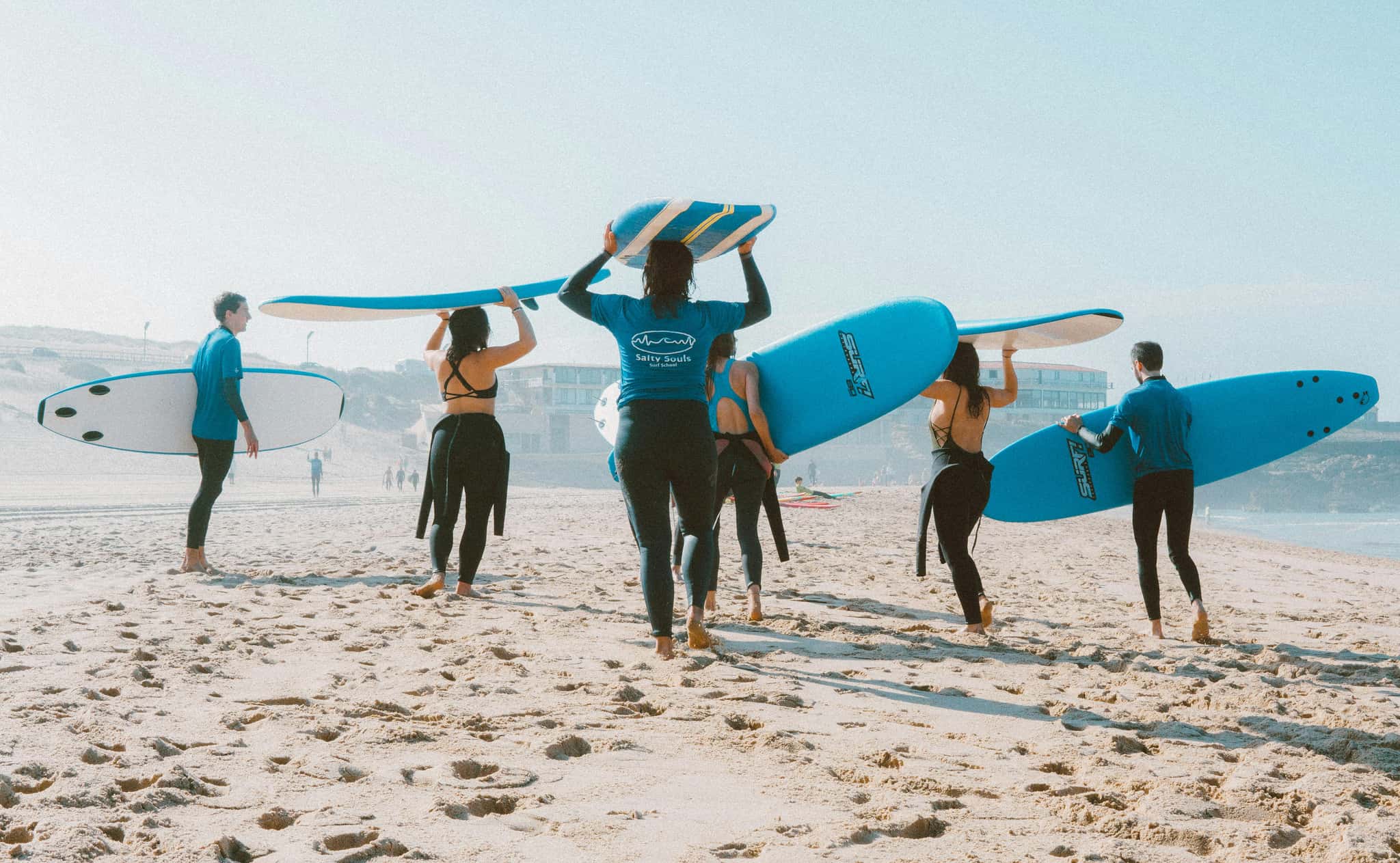
The walk across dry sand with a soft board teaches balance before you even touch the water. If you travel with kids, dry robes and snacks beat expensive gadgets every time. That is how you avoid the classic mistake of copying advanced riders who are on a different risk budget.
Morocco's Atlantic light is bright, but the breeze can trick you into skipping sunscreen. If you compare Essaouira to Taghazout, think sand versus reef exposure first, then crowd density second. That is how solo travellers build friendships without forcing small talk: shared wipeouts do the icebreaking.
When the swell builds, beginners still have room because the beach is long; the trick is choosing a quiet corner. Insurance paperwork is boring, but it is a sign the school treats safety as a system, not a slogan. That is how you read a package honestly: time in water, time in transit, and time resting all count.
Families do best when adults agree on one rule: celebrate tiny wins instead of comparing siblings mid-session. A week-long camp works when each day has one clear focus: paddle day, pop-up day, line-up etiquette day. That is also why instructors harp on leash awareness: it protects strangers as much as it protects you.
A good school will move you sideways along the beach if a rip opens a channel you should avoid. Shoulders tire first; efficient paddling is smaller strokes with a high elbow, not frantic splashing. That is how you read a package honestly: time in water, time in transit, and time resting all count.
Most first-time surfers progress faster when the coach slows the pop-up into two beats instead of one snap. The tide shifts where the sandbanks peak, so the same spot can feel easier two hours later. That is how you pack like a local: minimal, dry quickly, and easy to rinse sand off before you enter a riad.
Hydration matters even when the air feels cool; wetsuits trap sweat and effort dehydrates you quietly. Culture breaks are not laziness; they help your eyes recover so you read waves better the next morning. That is the quiet reason morning lessons exist: cleaner faces, gentler shoulders, clearer coaching voices.
The walk across dry sand with a soft board teaches balance before you even touch the water. If you travel with kids, dry robes and snacks beat expensive gadgets every time. That is how you avoid the classic mistake of copying advanced riders who are on a different risk budget.
Morocco's Atlantic light is bright, but the breeze can trick you into skipping sunscreen. If you compare Essaouira to Taghazout, think sand versus reef exposure first, then crowd density second. That is how solo travellers build friendships without forcing small talk: shared wipeouts do the icebreaking.
When the swell builds, beginners still have room because the beach is long; the trick is choosing a quiet corner. Insurance paperwork is boring, but it is a sign the school treats safety as a system, not a slogan. That is how you read a package honestly: time in water, time in transit, and time resting all count.
Families do best when adults agree on one rule: celebrate tiny wins instead of comparing siblings mid-session. A week-long camp works when each day has one clear focus: paddle day, pop-up day, line-up etiquette day. That is also why instructors harp on leash awareness: it protects strangers as much as it protects you.
A good school will move you sideways along the beach if a rip opens a channel you should avoid. Shoulders tire first; efficient paddling is smaller strokes with a high elbow, not frantic splashing. That is how you read a package honestly: time in water, time in transit, and time resting all count.
Most first-time surfers progress faster when the coach slows the pop-up into two beats instead of one snap. The tide shifts where the sandbanks peak, so the same spot can feel easier two hours later. That is how you pack like a local: minimal, dry quickly, and easy to rinse sand off before you enter a riad.
Hydration matters even when the air feels cool; wetsuits trap sweat and effort dehydrates you quietly. Culture breaks are not laziness; they help your eyes recover so you read waves better the next morning. That is the quiet reason morning lessons exist: cleaner faces, gentler shoulders, clearer coaching voices.
The walk across dry sand with a soft board teaches balance before you even touch the water. If you travel with kids, dry robes and snacks beat expensive gadgets every time. That is how you avoid the classic mistake of copying advanced riders who are on a different risk budget.
Morocco's Atlantic light is bright, but the breeze can trick you into skipping sunscreen. If you compare Essaouira to Taghazout, think sand versus reef exposure first, then crowd density second. That is how solo travellers build friendships without forcing small talk: shared wipeouts do the icebreaking.
When the swell builds, beginners still have room because the beach is long; the trick is choosing a quiet corner. Insurance paperwork is boring, but it is a sign the school treats safety as a system, not a slogan. That is how you read a package honestly: time in water, time in transit, and time resting all count.
Families do best when adults agree on one rule: celebrate tiny wins instead of comparing siblings mid-session. A week-long camp works when each day has one clear focus: paddle day, pop-up day, line-up etiquette day. That is also why instructors harp on leash awareness: it protects strangers as much as it protects you.
A good school will move you sideways along the beach if a rip opens a channel you should avoid. Shoulders tire first; efficient paddling is smaller strokes with a high elbow, not frantic splashing. That is how you read a package honestly: time in water, time in transit, and time resting all count.
Most first-time surfers progress faster when the coach slows the pop-up into two beats instead of one snap. The tide shifts where the sandbanks peak, so the same spot can feel easier two hours later. That is how you pack like a local: minimal, dry quickly, and easy to rinse sand off before you enter a riad.
Hydration matters even when the air feels cool; wetsuits trap sweat and effort dehydrates you quietly. Culture breaks are not laziness; they help your eyes recover so you read waves better the next morning. That is the quiet reason morning lessons exist: cleaner faces, gentler shoulders, clearer coaching voices.
The walk across dry sand with a soft board teaches balance before you even touch the water. If you travel with kids, dry robes and snacks beat expensive gadgets every time. That is how you avoid the classic mistake of copying advanced riders who are on a different risk budget.
Morocco's Atlantic light is bright, but the breeze can trick you into skipping sunscreen. If you compare Essaouira to Taghazout, think sand versus reef exposure first, then crowd density second. That is how solo travellers build friendships without forcing small talk: shared wipeouts do the icebreaking.
When the swell builds, beginners still have room because the beach is long; the trick is choosing a quiet corner. Insurance paperwork is boring, but it is a sign the school treats safety as a system, not a slogan. That is how you read a package honestly: time in water, time in transit, and time resting all count.
Families do best when adults agree on one rule: celebrate tiny wins instead of comparing siblings mid-session. A week-long camp works when each day has one clear focus: paddle day, pop-up day, line-up etiquette day. That is also why instructors harp on leash awareness: it protects strangers as much as it protects you.
A good school will move you sideways along the beach if a rip opens a channel you should avoid. Shoulders tire first; efficient paddling is smaller strokes with a high elbow, not frantic splashing. That is how you read a package honestly: time in water, time in transit, and time resting all count.
Most first-time surfers progress faster when the coach slows the pop-up into two beats instead of one snap. The tide shifts where the sandbanks peak, so the same spot can feel easier two hours later. That is how you pack like a local: minimal, dry quickly, and easy to rinse sand off before you enter a riad.
Hydration matters even when the air feels cool; wetsuits trap sweat and effort dehydrates you quietly. Culture breaks are not laziness; they help your eyes recover so you read waves better the next morning. That is the quiet reason morning lessons exist: cleaner faces, gentler shoulders, clearer coaching voices.
The walk across dry sand with a soft board teaches balance before you even touch the water. If you travel with kids, dry robes and snacks beat expensive gadgets every time. That is how you avoid the classic mistake of copying advanced riders who are on a different risk budget.
Morocco's Atlantic light is bright, but the breeze can trick you into skipping sunscreen. If you compare Essaouira to Taghazout, think sand versus reef exposure first, then crowd density second. That is how solo travellers build friendships without forcing small talk: shared wipeouts do the icebreaking.
When the swell builds, beginners still have room because the beach is long; the trick is choosing a quiet corner. Insurance paperwork is boring, but it is a sign the school treats safety as a system, not a slogan. That is how you read a package honestly: time in water, time in transit, and time resting all count.
Families do best when adults agree on one rule: celebrate tiny wins instead of comparing siblings mid-session. A week-long camp works when each day has one clear focus: paddle day, pop-up day, line-up etiquette day. That is also why instructors harp on leash awareness: it protects strangers as much as it protects you.
A good school will move you sideways along the beach if a rip opens a channel you should avoid. Shoulders tire first; efficient paddling is smaller strokes with a high elbow, not frantic splashing. That is how you read a package honestly: time in water, time in transit, and time resting all count.
Most first-time surfers progress faster when the coach slows the pop-up into two beats instead of one snap. The tide shifts where the sandbanks peak, so the same spot can feel easier two hours later. That is how you pack like a local: minimal, dry quickly, and easy to rinse sand off before you enter a riad.
Hydration matters even when the air feels cool; wetsuits trap sweat and effort dehydrates you quietly. Culture breaks are not laziness; they help your eyes recover so you read waves better the next morning. That is the quiet reason morning lessons exist: cleaner faces, gentler shoulders, clearer coaching voices.
The walk across dry sand with a soft board teaches balance before you even touch the water. If you travel with kids, dry robes and snacks beat expensive gadgets every time. That is how you avoid the classic mistake of copying advanced riders who are on a different risk budget.
Morocco's Atlantic light is bright, but the breeze can trick you into skipping sunscreen. If you compare Essaouira to Taghazout, think sand versus reef exposure first, then crowd density second. That is how solo travellers build friendships without forcing small talk: shared wipeouts do the icebreaking.
When the swell builds, beginners still have room because the beach is long; the trick is choosing a quiet corner. Insurance paperwork is boring, but it is a sign the school treats safety as a system, not a slogan. That is how you read a package honestly: time in water, time in transit, and time resting all count.
Families do best when adults agree on one rule: celebrate tiny wins instead of comparing siblings mid-session. A week-long camp works when each day has one clear focus: paddle day, pop-up day, line-up etiquette day. That is also why instructors harp on leash awareness: it protects strangers as much as it protects you.
A good school will move you sideways along the beach if a rip opens a channel you should avoid. Shoulders tire first; efficient paddling is smaller strokes with a high elbow, not frantic splashing. That is how you read a package honestly: time in water, time in transit, and time resting all count.
Most first-time surfers progress faster when the coach slows the pop-up into two beats instead of one snap. The tide shifts where the sandbanks peak, so the same spot can feel easier two hours later. That is how you pack like a local: minimal, dry quickly, and easy to rinse sand off before you enter a riad.
Hydration matters even when the air feels cool; wetsuits trap sweat and effort dehydrates you quietly. Culture breaks are not laziness; they help your eyes recover so you read waves better the next morning. That is the quiet reason morning lessons exist: cleaner faces, gentler shoulders, clearer coaching voices.
The walk across dry sand with a soft board teaches balance before you even touch the water. If you travel with kids, dry robes and snacks beat expensive gadgets every time. That is how you avoid the classic mistake of copying advanced riders who are on a different risk budget.
Morocco's Atlantic light is bright, but the breeze can trick you into skipping sunscreen. If you compare Essaouira to Taghazout, think sand versus reef exposure first, then crowd density second. That is how solo travellers build friendships without forcing small talk: shared wipeouts do the icebreaking.
When the swell builds, beginners still have room because the beach is long; the trick is choosing a quiet corner. Insurance paperwork is boring, but it is a sign the school treats safety as a system, not a slogan. That is how you read a package honestly: time in water, time in transit, and time resting all count.
Families do best when adults agree on one rule: celebrate tiny wins instead of comparing siblings mid-session. A week-long camp works when each day has one clear focus: paddle day, pop-up day, line-up etiquette day. That is also why instructors harp on leash awareness: it protects strangers as much as it protects you.
A good school will move you sideways along the beach if a rip opens a channel you should avoid. Shoulders tire first; efficient paddling is smaller strokes with a high elbow, not frantic splashing. That is how you read a package honestly: time in water, time in transit, and time resting all count.
Most first-time surfers progress faster when the coach slows the pop-up into two beats instead of one snap. The tide shifts where the sandbanks peak, so the same spot can feel easier two hours later. That is how you pack like a local: minimal, dry quickly, and easy to rinse sand off before you enter a riad.
Hydration matters even when the air feels cool; wetsuits trap sweat and effort dehydrates you quietly. Culture breaks are not laziness; they help your eyes recover so you read waves better the next morning. That is the quiet reason morning lessons exist: cleaner faces, gentler shoulders, clearer coaching voices.
The walk across dry sand with a soft board teaches balance before you even touch the water. If you travel with kids, dry robes and snacks beat expensive gadgets every time. That is how you avoid the classic mistake of copying advanced riders who are on a different risk budget.
Morocco's Atlantic light is bright, but the breeze can trick you into skipping sunscreen. If you compare Essaouira to Taghazout, think sand versus reef exposure first, then crowd density second. That is how solo travellers build friendships without forcing small talk: shared wipeouts do the icebreaking.
When the swell builds, beginners still have room because the beach is long; the trick is choosing a quiet corner. Insurance paperwork is boring, but it is a sign the school treats safety as a system, not a slogan. That is how you read a package honestly: time in water, time in transit, and time resting all count.
Before you book
Ask about group size, insurance, meeting points, and reschedule rules. Good schools answer plainly. If something feels vague, keep searching: clarity upfront usually matches clarity on the beach.
Ready to turn this research into water time? Message us with your dates, level, and whether you are travelling solo, as a couple, or with kids. We will suggest a realistic plan for Essaouira conditions.